How Lifestyle and TRT Replacement Therapy Near Me Can Work Together
When people start looking up TRT replacement therapy near me, they are often hoping for one thing: relief. Relief from fatigue that no amount of coffee fixes. Relief from low motivation, poor recovery, stubborn body fat, fading libido, cloudy thinking, and the odd sense that they are operating at half-capacity.
That search makes sense. Testosterone affects far more than muscle mass or sex drive. It influences energy, mood, sleep quality, blood cell production, body composition, and how resilient a person feels under the ordinary stress of work and family life. Yet one of the biggest misunderstandings around testosterone replacement therapy is the idea that treatment works in a vacuum. It does not.
TRT can be useful and appropriate for some men, especially when symptoms line up with lab findings and the treatment is supervised properly. But in practice, the men who do best are rarely the ones who expect the prescription to do everything. They are the ones who pair treatment with better sleep, more thoughtful training, improved nutrition, lower alcohol intake, and a realistic plan for stress. Lifestyle does not replace medical care when medical care is needed. It amplifies it.
That relationship matters because low testosterone symptoms can overlap with the effects of poor habits. A man sleeping five hours a night, drinking heavily on weekends, carrying excess body fat, and training erratically may feel awful for reasons that are partly hormonal and partly behavioral. If he starts TRT without fixing the basics, results may be disappointing, or at least incomplete. On the other hand, if he tightens up the fundamentals while working with a qualified clinic, he often notices a deeper, steadier improvement.
Why TRT and lifestyle should never be separated
Testosterone does not act independently from the rest of your physiology. It interacts with sleep, insulin sensitivity, inflammation, training load, body fat, and stress hormones. That means the same dose can feel different in two people with very different routines.
A common real-world example is the man who starts TRT while keeping the same poor sleep habits. He may feel a brief lift in energy, then plateau. He wonders whether the dose is too low. Sometimes the issue is not the prescription. It is that his recovery capacity is still compromised. If he goes to bed at midnight, wakes at 5:30, scrolls on his phone at night, and lives on takeout lunches, his body is still working uphill.
Another man starts treatment while also cleaning up his routine. He begins lifting three times per week, walks daily, cuts back on drinking, and makes sleep a non-negotiable. Over the next three to six months, his body composition improves, his mood steadies, and his motivation returns. The therapy helps, but the lifestyle changes give the therapy room to work.
This is why experienced clinicians tend to ask broader questions than patients expect. They do not just ask about libido or lab values. They ask about sleep apnea, waist circumference, blood pressure, fertility plans, alcohol intake, medication use, work stress, exercise history, and whether the patient is actually eating enough protein to support lean mass. Good TRT care is never just about testosterone.
The role of accurate diagnosis before anything else
Searching for TRT replacement therapy near me can bring up dozens of clinics, but convenience should not outrank competence. Symptoms alone are not enough for a diagnosis. Neither is one random lab draw taken at the wrong time of day.
Testosterone levels fluctuate. They are typically highest in the morning, and they can be influenced by illness, sleep disruption, calorie restriction, and acute stress. A reliable workup often includes repeat morning labs and a broader look at the hormonal picture. Depending on the case, that may include free testosterone, sex hormone-binding globulin, estradiol, luteinizing hormone, follicle-stimulating hormone, complete blood count, metabolic markers, and thyroid assessment. If symptoms suggest it, sleep testing may be even more important than another hormone panel.
This matters because a man with untreated sleep apnea can look like a classic low-testosterone patient. Fatigue, low libido, irritability, poor concentration, and reduced exercise tolerance can all show up. If the real driver is repeatedly fragmented sleep and low oxygen at night, TRT alone will not solve the problem. The same is true for depression, overtraining, chronic under-eating, heavy alcohol use, or certain medications.
A careful diagnosis protects patients from two mistakes. The first is starting TRT when a reversible issue is the main culprit. The second is delaying treatment in a man who truly has hypogonadism and could benefit from it.
Sleep is often the hidden multiplier
If I had to pick one lifestyle factor that most strongly shapes the response to TRT, it would be sleep. It is hard to overstate how much poor sleep can flatten progress.
Deep sleep supports hormonal regulation, appetite control, insulin sensitivity, and physical recovery. Chronic short sleep can lower natural testosterone production, increase cravings, worsen mood, and make workouts feel disproportionately hard. Even on TRT, poor sleep can leave a patient feeling as if the treatment is barely helping.
There is a pattern many clinicians TRT replacement therapy near me see. A patient reports that his energy is inconsistent and his gym performance still feels off, despite “normal” follow-up labs. When you ask about sleep, the answer is revealing: late bedtime, frequent waking, loud snoring, a bedroom that doubles as an office, or regular alcohol before bed. Once those issues are addressed, the same lab profile suddenly feels a lot better in day-to-day life.
Sleep quality also matters for safety. Men on TRT need thoughtful monitoring of blood pressure, red blood cell count, and overall cardiovascular risk. Untreated sleep apnea can complicate that picture. The point is not to create fear. It is to recognize that hormones and sleep are part of the same system.
Training changes the way TRT feels in the body
TRT is not an athletic shortcut, and it is not a substitute for structured exercise. Still, men who train intelligently while on therapy often notice more meaningful changes than men who remain sedentary.
Resistance training is especially valuable. It improves insulin sensitivity, preserves or builds lean mass, supports bone health, and increases functional strength. Those benefits matter at 35, 50, and 70. The ideal program does not have to be extreme. In fact, overly aggressive plans often backfire. A steady schedule of lifting two to four times per week, paired with regular walking or light cardio, is enough to change the trajectory for many people.
The difference between productive training and punishing training becomes important here. Some men begin TRT, feel a little better, and immediately jump into six hard workouts a week. A month later they are sore, exhausted, and wondering why their progress stalled. More is not always better. Recovery capacity improves with good treatment and lifestyle, but it still has limits.
A practical training approach tends to work best:
- focus on compound movements such as squats, presses, rows, hinges, and loaded carries
- train hard enough to stimulate adaptation, but not so hard that soreness dominates the week
- keep at least one or two sessions per week lower in intensity
- use walking as a daily baseline for activity and stress control
- reassess every four to six weeks based on recovery, not just motivation
That kind of consistency usually beats sporadic intensity. TRT can support body composition and performance, but it responds best to a signal. Training provides that signal.
Body composition influences hormones, and hormones influence body composition
One of the more frustrating aspects of low testosterone is how circular it can feel. Low levels may contribute to reduced muscle mass, lower energy, and increased fat accumulation. At the same time, excess body fat, especially visceral fat around the abdomen, can worsen hormonal balance and metabolic health.
This is where lifestyle and treatment often reinforce one another. A man with clinically low testosterone may struggle to lose fat because he has poor energy, lower training output, and less drive to stay consistent. Once treatment begins, it may become easier for him to exercise regularly and recover from it. That does not guarantee fat loss, but it can remove a barrier that previously made good habits unsustainable.
Still, the nutrition side cannot be ignored. Many patients underestimate how much calorie intake and protein distribution affect results. If the goal is better body composition, “eating healthier” is too vague to be useful. What tends to work is simple, repeatable structure: enough protein at each meal, mostly minimally processed foods, a moderate calorie deficit if fat loss is needed, and enough total intake to support training.
Here, trade-offs matter. Severe dieting can backfire by worsening fatigue, reducing training performance, and making adherence miserable. A more moderate approach usually lasts longer and preserves lean mass better. For many men, losing 0.5 to 1 pound per week is a realistic target. Faster than that may be possible early on, especially in larger individuals, but sustainability is what counts.
Alcohol, stress, and the “why am I still tired?” problem
One reason patients sometimes feel underwhelmed by TRT is that they overlook the cumulative effect of small lifestyle stressors. Two or three drinks most nights. Irregular meals. Constant deadlines. Minimal time outdoors. Chronic tension that never quite turns off. None of these always look dramatic on their own. Together, they can blunt the sense of progress.
Alcohol deserves special attention because it is socially normalized and commonly underreported. Regular heavy intake can impair sleep quality, increase body fat, depress mood, and disrupt sexual function. A patient may say his energy “crashes” in the afternoon and his libido is still inconsistent, yet the pattern improves significantly once evening drinking is reduced.
Stress is trickier because not all of it is avoidable. Careers, caregiving, financial pressure, and relationship strain are part of adult life. The goal is not to remove stress entirely. It is to build a system that keeps stress from becoming the default operating state. That might mean short walks between meetings, strength training after work, ten minutes of quiet before bed, fewer late-night screens, or a serious look at how much overcommitment is draining recovery.
Men often expect hormone therapy to create motivation from thin air. In reality, treatment may improve the capacity to act, but routines still have to be built. On the best plans, momentum comes from stacking a few doable habits until they become automatic.
Nutrition is not glamorous, but it changes outcomes
There is no single TRT diet, and anyone claiming otherwise is overselling. Still, certain principles repeatedly separate good outcomes from mediocre ones.
Protein intake matters because testosterone influences muscle retention and training response, but the raw material still has to be there. Many active men do well with roughly 25 to 40 grams of protein per meal, adjusted for body size and appetite. Carbohydrates are often useful for training performance and recovery, especially in those lifting consistently. Fats matter too, just not in magical amounts.
Micronutrients deserve a mention because deficiencies can muddy the picture. Poor intake of vitamin D, iron, magnesium, or B vitamins can worsen fatigue or recovery, though they are not the sole answer to low testosterone symptoms. This is another reason broad evaluation is smarter than chasing one number.
Hydration sounds basic, yet it is often neglected. Men who train hard, use saunas, work outdoors, or consume a lot of caffeine may run behind on fluids and electrolytes. Fatigue, headaches, and poor performance can follow, and they are easy to misread as a hormone issue.
The best nutrition plan is usually the one a patient can repeat on ordinary weekdays. Fancy protocols tend to collapse under travel, work dinners, and family schedules. A few solid defaults beat a perfect plan that only exists on paper.
What to look for when choosing care
Not every clinic advertising TRT replacement therapy near me offers the same standard of care. Some are excellent. Some move far too quickly, prescribe too aggressively, or skip the kind of monitoring that keeps patients safe.
A good provider usually shows a few clear habits:
- they confirm the diagnosis instead of treating symptoms alone
- they discuss fertility, because TRT can reduce sperm production
- they monitor follow-up labs and symptoms rather than chasing high numbers
- they ask about sleep apnea, blood pressure, cardiovascular risk, and red blood cell count
- they talk about lifestyle as part of treatment, not as an afterthought
That last point is worth emphasizing. If a clinic presents TRT as a standalone fix and shows little interest in sleep, diet, training, alcohol use, or long-term monitoring, that is a warning sign. Effective therapy is individualized. Some men do best with one dosing schedule, others with another. Some need attention to estradiol-related symptoms, others do not. Some need body composition support more than dose changes. Cookie-cutter care usually shows its limits sooner or later.
The fertility conversation many men do not expect
TRT can suppress the signals from the brain that stimulate the testes, which can reduce sperm production. For men who may want children in the future, this is not a side issue. It is central.
Many younger patients do not realize this when they first start searching for TRT replacement therapy near me. They are focused on getting their energy back, and understandably so. But if fertility matters now or may matter later, it needs to be discussed before treatment begins. Alternative approaches may be considered in some cases, depending on the diagnosis and goals. This is exactly why evaluation by a knowledgeable clinician matters more than marketing language.
The right answer is not always “avoid TRT” or “start TRT immediately.” It depends on symptoms, labs, age, reproductive plans, and the broader medical picture. What matters is that the decision is informed.
Expectations should be realistic, not pessimistic
When treatment is appropriate and well managed, patients often notice benefits in stages rather than all at once. Energy may improve first. Mood and motivation may lift gradually. Libido can shift earlier for some men and later for others. Changes in body composition usually lag behind how a person feels, because muscle gain and fat loss require time, training, nutrition, and recovery.
This is where unrealistic expectations can derail a good plan. Some men expect dramatic transformation within two weeks. Others become discouraged if they do not feel “perfect” even after measurable improvement. A more useful framework is to track trends over a period of months. Is energy more stable? Are workouts more productive? Is sleep improving? Is waist circumference moving in the right direction? Are relationships, mood, and work output benefiting?
Perfect is not the benchmark. Better functioning is.
The men who tend to get the most from TRT
In clinical practice and coaching settings, the men who do best are not always the most disciplined at the start. They are usually the ones willing to be honest. Honest about sleep. Honest about alcohol. Honest about stress, skipped workouts, and the fact that a medication cannot offset every self-sabotaging pattern.
That honesty creates room for effective adjustments. A man does not need to overhaul his life overnight. He needs to identify the few habits that most strongly affect his symptoms and build from there. For one person, that may be treating sleep apnea and lifting twice a week. For another, it may be reducing nightly drinks and eating enough protein. For someone else, it may mean starting therapy only after discovering that his “low testosterone” symptoms were largely driven by burnout and chronic sleep loss.
The larger point is simple. Hormone therapy works best when it is part of a system. A prescription can raise testosterone levels. It cannot choose your bedtime, cook your meals, limit your drinks, or keep your training consistent. Those pieces still belong to you.
For patients searching for TRT replacement therapy near me, the best outcome usually comes from finding a provider who understands that medicine and lifestyle are partners. Not competitors. Not substitutes. Partners. When both are handled well, treatment has a much better chance of improving not just a lab result, but the texture of daily life itself.
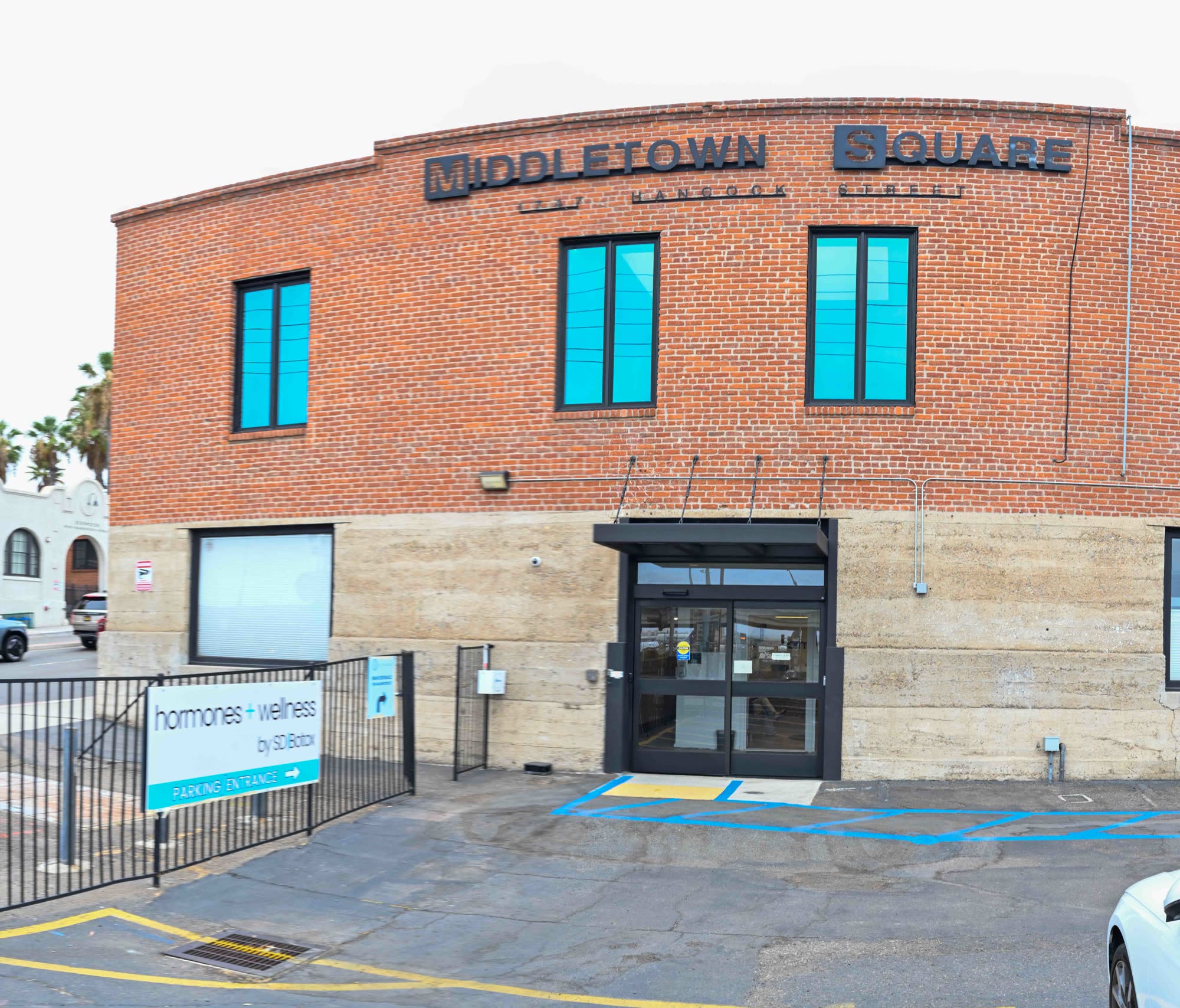
SDBody Mission Hills
Address: 1747 Hancock St Ste C, San Diego, CA 92101
Phone: (619) 772-0252
FAQ About TRT replacement therapy near me
How do I know if I need testosterone replacement therapy?
A clinician evaluates your symptoms and medical history and usually checks testosterone on two separate mornings. Consistently low levels and compatible symptoms help guide the decision.
What monitoring is needed during testosterone replacement therapy?
Follow-up usually includes a review of symptoms, testosterone levels and red blood cell counts. Your clinician may recommend additional monitoring based on your health history.
Can testosterone replacement therapy affect fertility?
Prescribed testosterone can reduce sperm production. Tell your clinician if you plan to have children so you can discuss your options before starting treatment.
Ends · LOUISAVNJ665